M.Tech. Computer Science and Engineering
M.Tech. Computer Science and Engineering
About the Department
| Programme | Intake |
| M.Tech. Computer Science and Engineering | 60 |
Department Stats
Course Duration
05 Years
Semesters
10
Point of Contact
Head of the Department
Mrs. A. Yasmin, M.E. CSE, Ph.D. (Pursuing)
Placement Coordinator
HOD’s Message
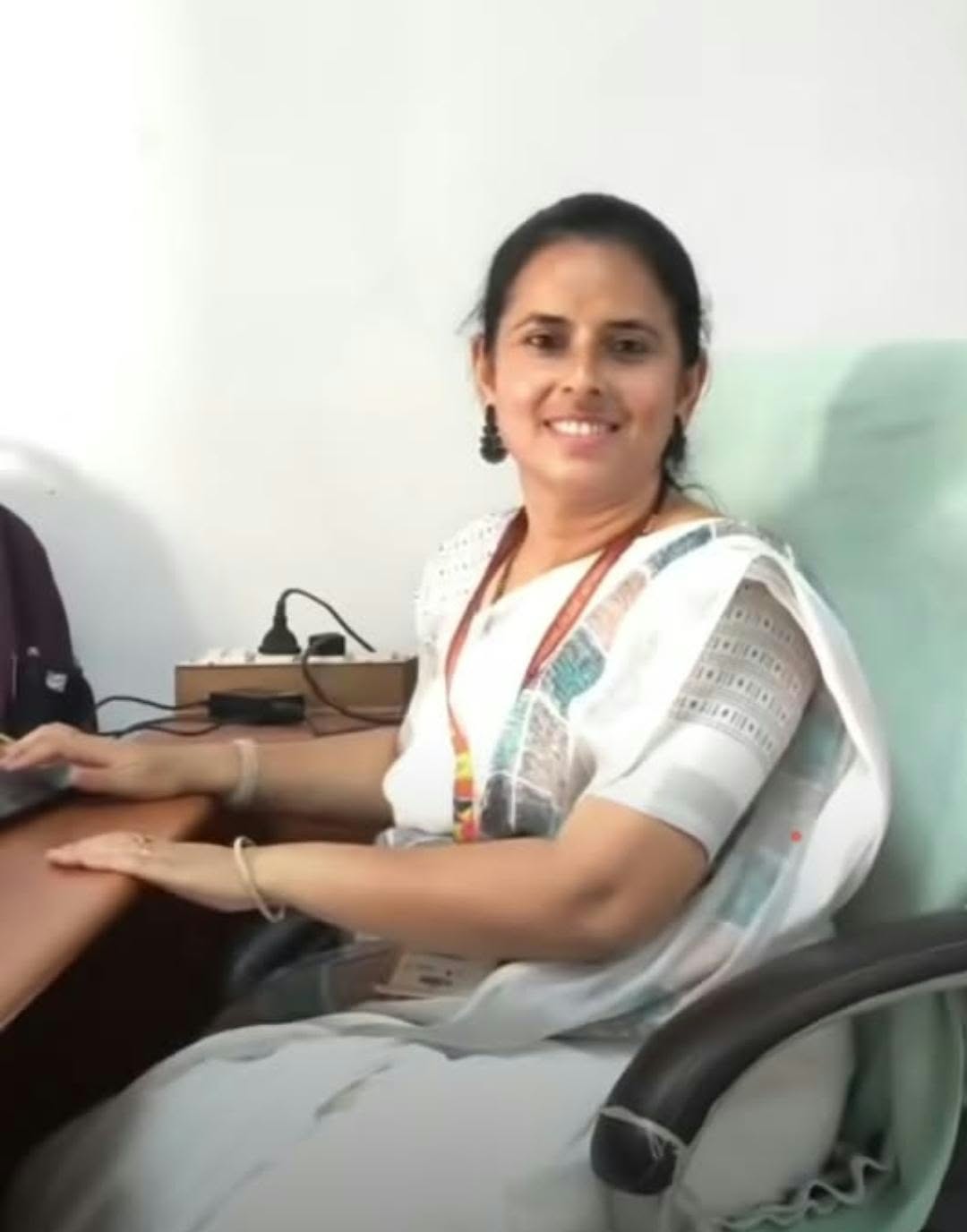
Mrs. A. Yasmin
Educational Qualification : M.E. CSE, Ph.D. (Pursuing
Teaching Experience : 18 Years
The Department of M.Tech. Computer Science and Engineering is committed to providing quality education through advanced infrastructure, a dedicated team of experienced faculty members, and an industry-oriented curriculum. The programme focuses on developing advanced technical expertise, critical thinking, problem-solving abilities, and research skills to prepare students for the rapidly evolving field of computer science and engineering.
The curriculum is designed to bridge the gap between academic learning and industry requirements by emphasizing emerging technologies, practical applications, innovation, and professional development. Students are guided and mentored by experienced faculty members to enhance their academic performance, technical competencies, and career prospects. The department encourages research, innovation, and project-based learning in advanced computing domains, motivating students to address real-world challenges and publish their research findings in reputed journals and conferences.
Our vision is to nurture competent, ethical, and innovative professionals who can contribute to technological advancements, excel in their careers, and make meaningful contributions to society. We strive to create a dynamic learning and research environment that empowers students to become future leaders in the field of Computer Science and Engineering.
Vision & Mission
Programs Outcomes & Objective
Programme Outcomes (POs)
1. Engineering Knowledge — Apply the knowledge of mathematics, science, engineering fundamentals, and an engineering specialization to the solution of complex engineering problems.
2. Problem Analysis — Identify, formulate, review research literature, and analyze complex engineering problems reaching substantiated conclusions using first principles of mathematics, natural sciences, and engineering sciences.
3. Design/Development of Solutions — Design solutions for complex engineering problems and design system components or processes that meet the specified needs with appropriate consideration for public health, safety, and cultural, societal, and environmental considerations.
4. Conduct Investigations of Complex Problems — Use research-based knowledge and research methods including design of experiments, analysis and interpretation of data, and synthesis of the information to provide valid conclusions.
5. Modern Tool Usage — Create, select, and apply appropriate techniques, resources, and modern engineering and IT tools, including prediction and modeling, to complex engineering activities, with an understanding of the limitations.
6. The Engineer and the World — Assess societal, health, safety, legal, and cultural issues and the consequent responsibilities relevant to professional engineering practice and environmental sustainability .
7. Ethics — Apply ethical principles and commit to professional ethics and responsibilities and norms of the engineering practice.
8. Individual and Collaborative Team Work — Function effectively as an individual, and as a member or leader in diverse teams, and in multidisciplinary settings.
9. Communication — Communicate effectively on complex engineering activities with the engineering community and with society at large, such as being able to comprehend and write effective reports and design documentation, make effective presentations, and give and receive clear instructions.
10. Project Management and Finance — Demonstrate knowledge and understanding of engineering and management principles and apply these to one's own work, as a member and leader in a team, to manage projects and in multidisciplinary environments.
11. Life-Long Learning — Recognize the need for, and have the preparation and ability to engage in independent and life-long learning in the broadest context of technological change.
Programme Specific Outcomes (PSOs)
PSO1: Apply the fundamental knowledge for problem solving and analysis as well as conduct investigations in computer science and engineering for sustainable development.
PSO2: Design and develop the solutions for real time problems and implement them by using modern software tools in lieu of deploying them in the society for its growth.
PSO3: Communicate effectively, adopt ethics and engage in life-long learning
Value Added Courses:
Flutter (AY 2023-24)
Mongo DB (AY 2024-25)
Data Analytics using Tableau and Power BI (AY 2025-26)
UI/UX Design (AY 2026-27)
Industry Tie-ups:
AmasQis.AI – Internship
Nunnari Labs Private Limited – Internship
Praya Labs – Internship
Trellisign technologies limited – Internship
Erode Cancer Centre, Erode – Internship and Project Development
Lab Details
Python Programming Lab
Computer Practices Lab
Programming and Data Structures Lab
Intelligent Systems Lab
Operating Systems Lab
RDBMS Lab
Data mining Tools Lab
R Programming Lab
Object Oriented Programming lab
Machine Learning Lab
Data Analytics Lab
Networks Lab
Data Visualization Lab
IOT Lab
Cloud Computing Lab
Open Sources Lab:
JAVA, NETBEANS, ECLIPSE
MY SQL
NETWORK SIMULATOR 2
PYTHON
XAMP, WAMP, APACHE TOMCAT
Department Activities
MOU
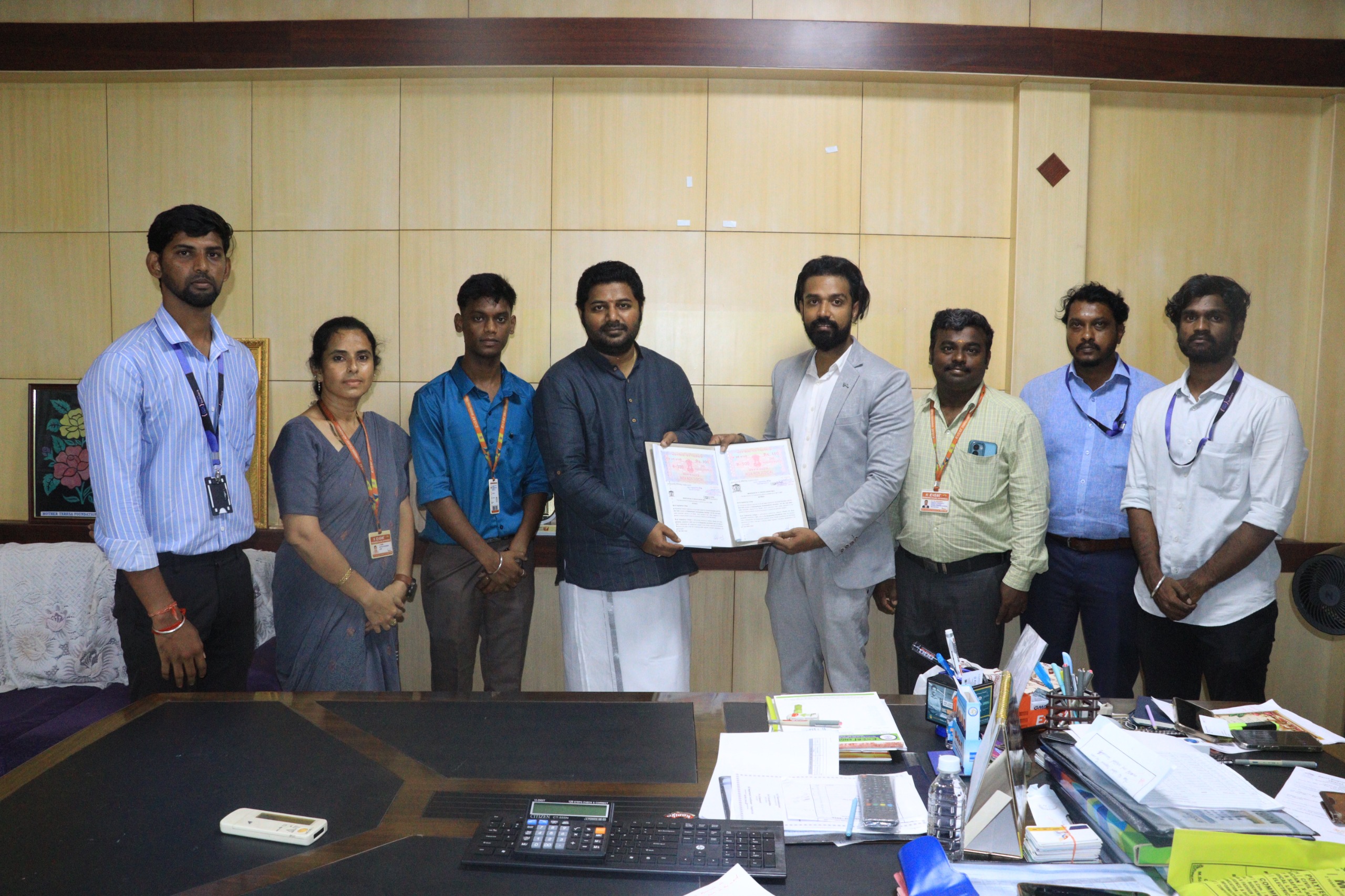
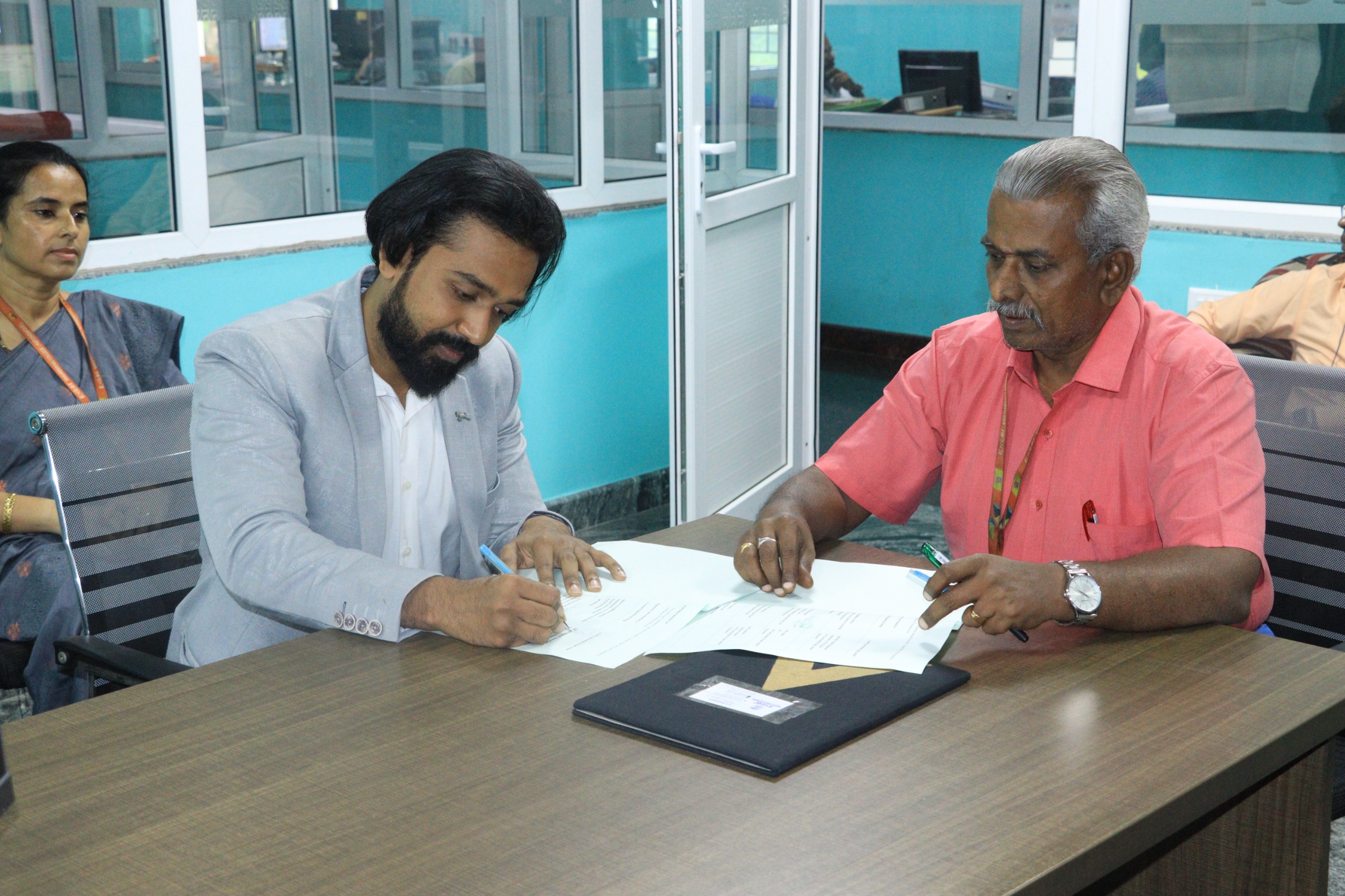
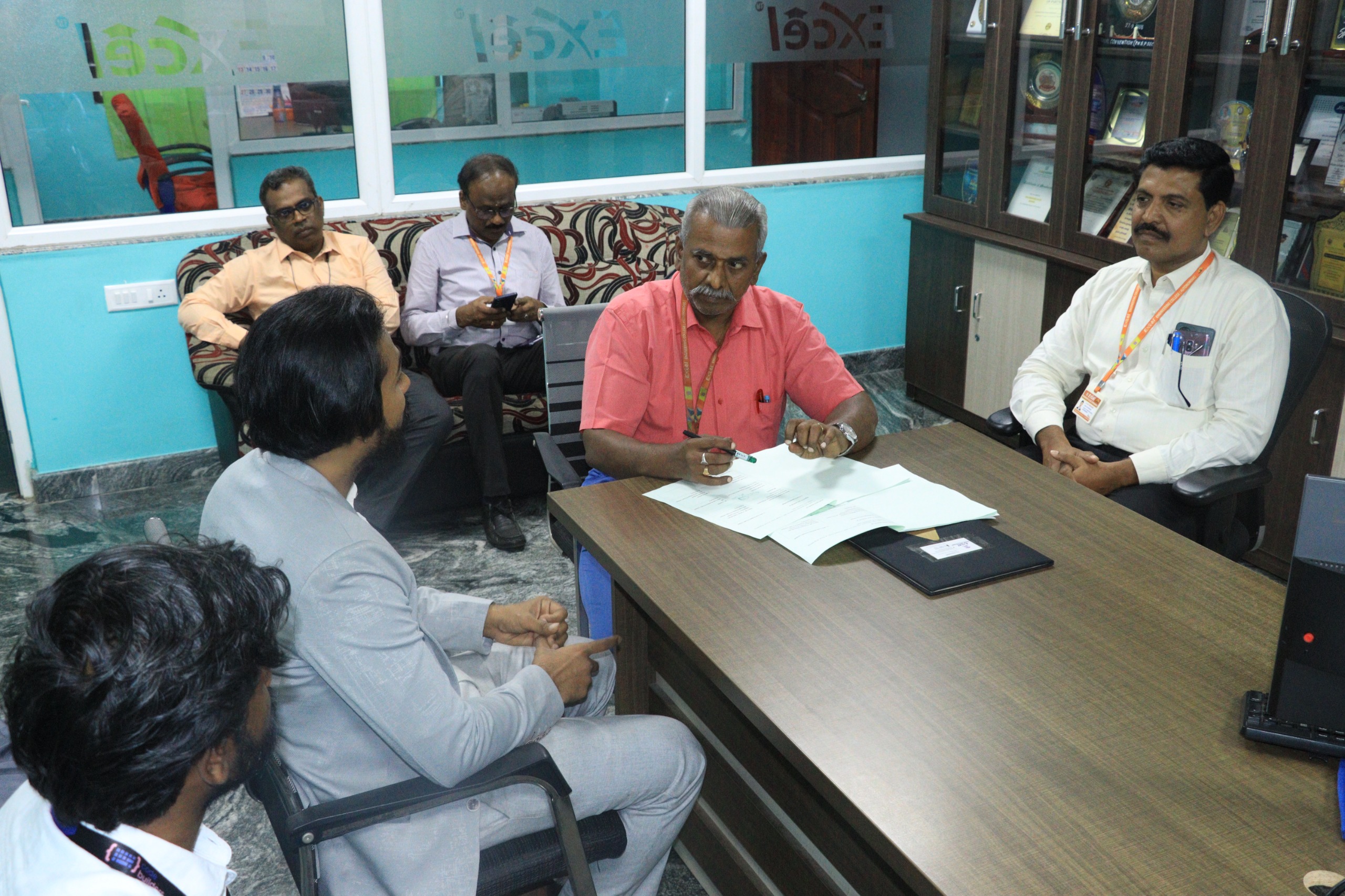
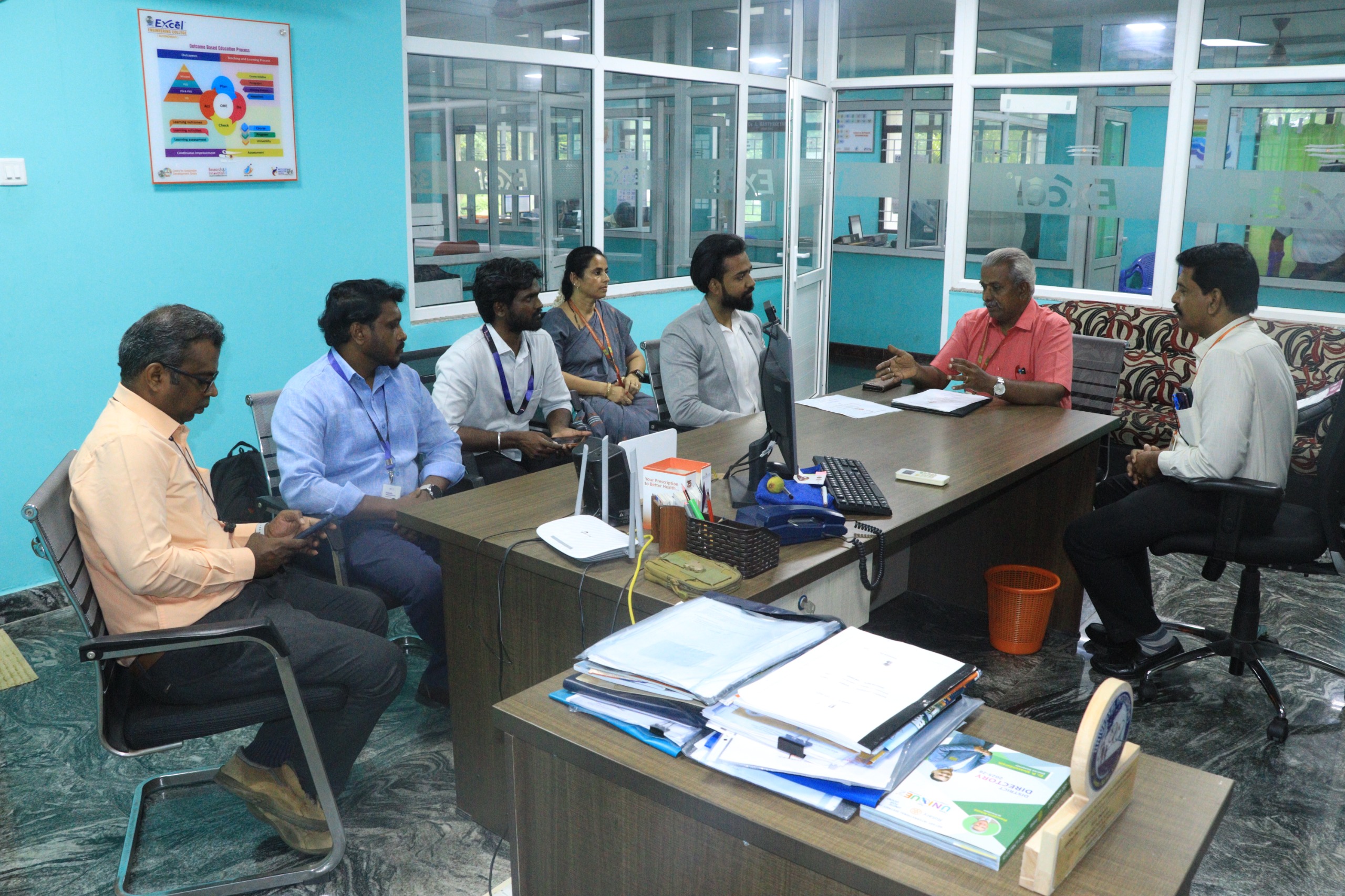
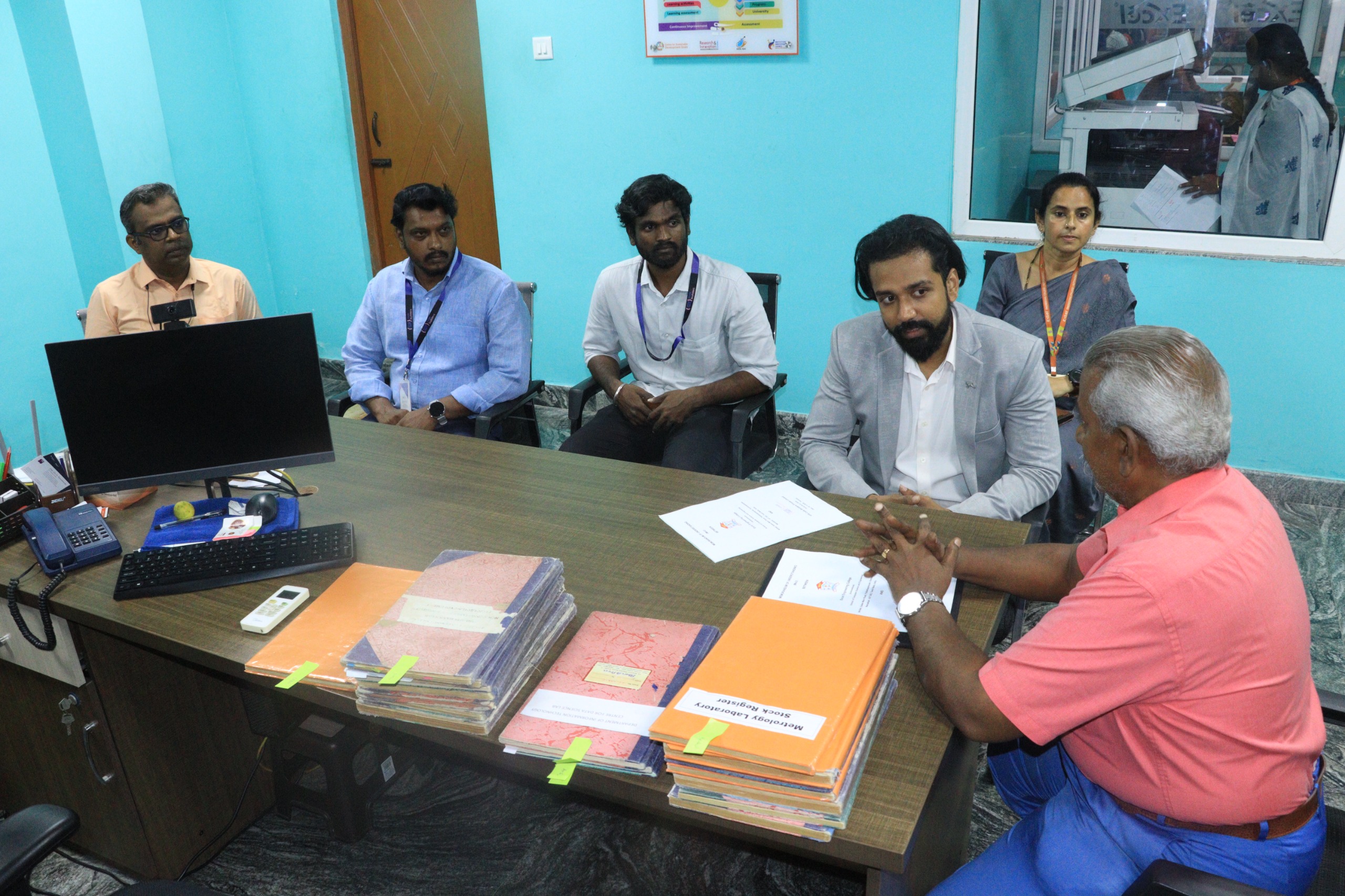
Department of M.Tech CSE organising an MOU Signing Ceremony between Excel Engineering College and VPS Code Builders Private Limited on 5.11.2026 at 10.00 am in B Block Board Room. Mr. Prakash Velayudham, CEO & Founder VPS Code Builders Private Limited, Pondicherry visited as a Chief Guest for this function.