Automobile Events Gallery
Department of Automobile Engineering
SEMINAR ON EMERGING AUTOMOTIVE TECHNOLOGIES
Objective
To expose students to emerging trends in automotive engineering, industry expectations, and advanced vehicle technologies, thereby bridging classroom learning with current industrial practices.
Brief Introduction
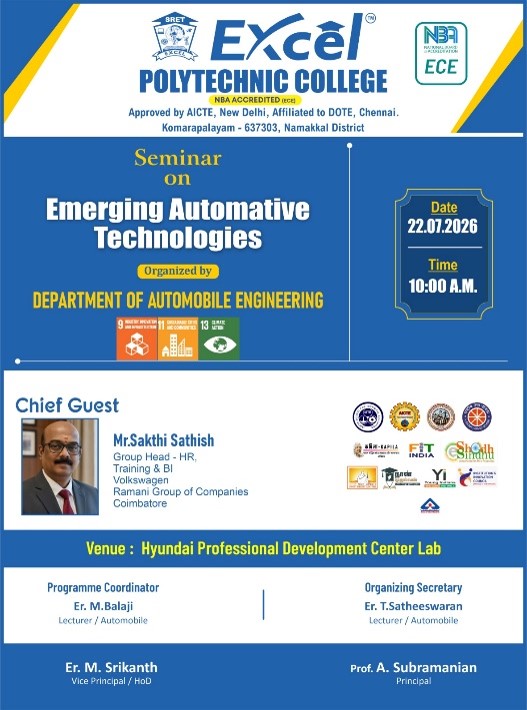
The Department of Automobile Engineering organized a technical seminar on Emerging Automotive Technologies to enrich students’ domain knowledge and industry readiness. The programme was conducted at the Hyundai Professional Development Center Laboratory and featured an industry expert as the chief guest, aligning with the department’s NBA-focused outcome-based education practices.
Detailed Report
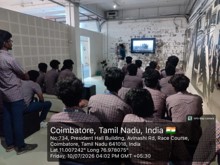
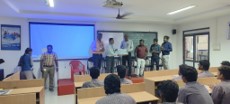
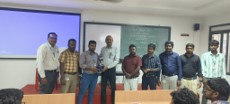
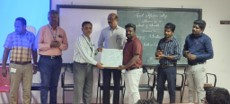
The seminar began with a welcome address by the department faculty, followed by the introduction of the chief guest from the automotive industry. The resource person delivered an insightful presentation covering contemporary developments in vehicle systems, digital transformation in manufacturing, and skill requirements for diploma graduates. Students observed practical discussions related to training, human resource perspectives, and industry–institute collaboration. Interactive sessions enabled learners to clarify career-related queries and understand workplace competencies. Mementos and tokens of appreciation were exchanged, marking the formal academic hospitality of the department. The event concluded with a vote of thanks and collection of feedback for continuous improvement. Faculty coordinators ensured proper discipline, attendance recording, and photographic documentation for departmental website and accreditation portfolios.
“The seminar helped me understand what industries expect from automobile diploma students beyond textbooks.”
Student Participation Details
More than 120 Automobile Engineering students actively participated in the seminar. The session provided valuable insights and enhanced students’ professional awareness, technical curiosity, and communication confidence. Participants engaged with the resource person through questions on placements, training pathways, and emerging automotive domains.
Outcomes / Benefits
- Improved understanding of emerging automotive technologies and industry trends.
- Strengthened industry–institute interaction under departmental academic activities.
- Enhanced student motivation toward skill development and placement preparation.
- Useful evidence generated for NBA continuous improvement and departmental records.
Coordinator Details
Programme Coordinator: Er. M. Balaji, Lecturer / Automobile. Organizing Secretary: Er. T. Satheeswaran, Lecturer / Automobile. HoD: Er. S. Sivakumar.
Chief Guest / Resource Person: Mr. Sakthi Sathish, Group Head – HR, Training & BI, Volkswagen / Ramani Group of Companies, Coimbatore
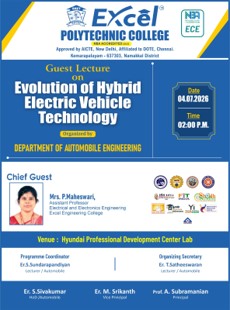
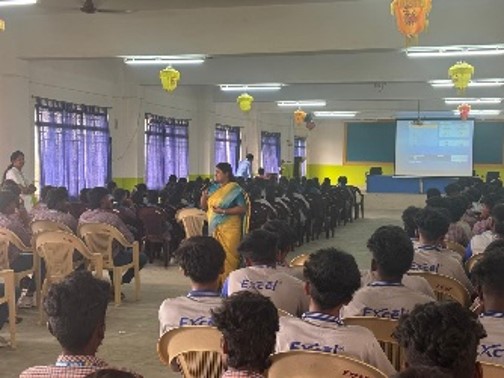
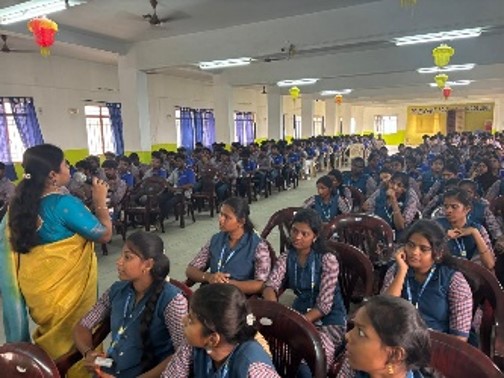
Guest Lecture on Evolution of Hybrid Electric Vehicle Technology
Objective
To provide students with foundational and advanced insights into hybrid electric vehicle (HEV) technologies, sustainability in mobility, and future opportunities in electrified transportation.
Brief Introduction
A guest lecture on the Evolution of Hybrid Electric Vehicle Technology was organized to complement the Automobile Engineering curriculum with expert academic perspectives. The session emphasized clean mobility, energy efficiency, and the evolving skill set required for next-generation automotive professionals.
Detailed Report
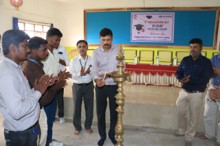
The programme was inaugurated in the Hyundai Professional Development Center Laboratory with formal lamp-lighting and welcome remarks. The chief guest delivered a structured lecture on hybrid architectures, battery and powertrain considerations, and the transition pathway from conventional vehicles to electrified systems. Students were encouraged to relate theoretical concepts of thermal, electrical, and control systems to real vehicle applications. Faculty members facilitated discussion and connected the lecture outcomes with course objectives of the Automobile Engineering programme. The event reinforced the department’s focus on contemporary technology exposure and contributed to institutional quality initiatives under NBA expectations for industry-relevant learning. Official photographs and attendance records were archived for newsletter, website, and accreditation documentation.
“Learning about hybrid electric vehicles in a practical lab environment made future mobility careers clearer for me.”
Student Participation Details
More than 100 students from the Automobile Engineering department actively participated. The lecture enhanced conceptual clarity, stimulated interest in EV/HEV domains, and encouraged students to pursue certifications and project work in sustainable automotive technologies.
Outcomes / Benefits
- Students gained awareness of HEV systems and sustainable mobility trends.
- Curriculum enrichment through expert guest interaction.
- Improved linkage between laboratory learning and industry technology themes.
- Documentation support for NBA-related teaching–learning evidence.
Coordinator Details
Programme Coordinator: Er. S. Sundarapandiyan, Lecturer / Automobile. Organizing Secretary: Er. T. Satheeswaran, Lecturer / Automobile. HoD: Er. S. Sivakumar.
Chief Guest / Resource Person: Mrs. P. Maheswari, Assistant Professor / EEE, Excel Engineering College
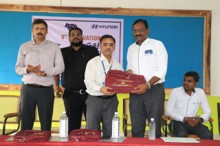
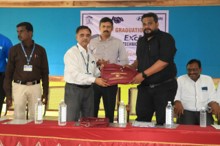
EVENT 06: HYUNDAI INDUSTRY INTERACTION / GRADUATION DAY COLLABORATION
Objective
To strengthen industry–institute interaction with Hyundai, celebrate student progression, and showcase collaborative professional development initiatives in automobile education.
Brief Introduction
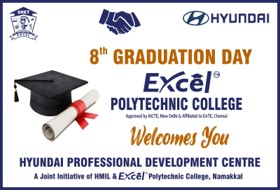
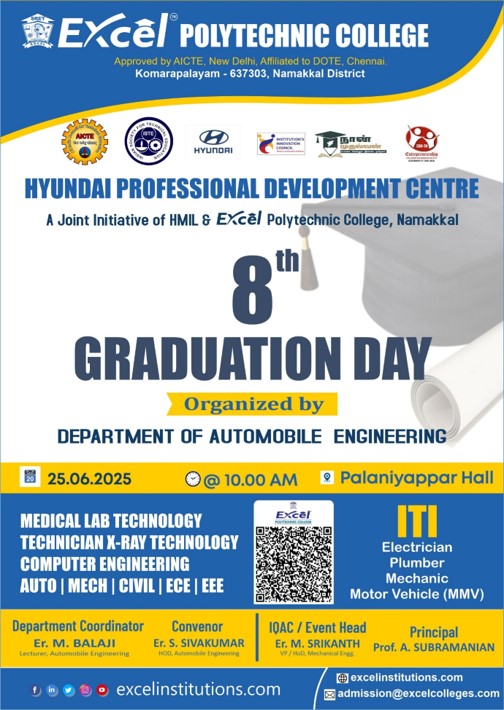
The Automobile Department, in association with the Hyundai Professional Development Centre, conducted industry interaction activities during the 8th Graduation Day celebrations. The events highlighted joint initiatives of Hyundai and Excel Polytechnic College in skill development and professional training.
Detailed Report
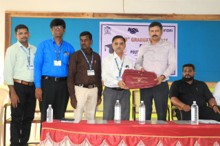
Industry interaction sessions included ceremonial proceedings, felicitation of industry representatives, distribution of tokens and certificates, and formal stage events under the Hyundai PDC banner. Students witnessed professional etiquette, industry participation, and the value of collaborative training ecosystems. Faculty leaders and department coordinators facilitated the programme flow, ensuring dignified conduct of academic celebrations. The presence of Hyundai branding and PDC messaging reinforced the department’s strong industrial linkage—an essential quality indicator for NBA accreditation. Photographs of lamp lighting, gift exchange, certificate distribution, and group interactions were systematically archived for newsletter and website publication.
“Seeing Hyundai professionals on campus motivated me to take laboratory training more seriously.”
Student Participation Details
Automobile Engineering students, graduates, faculty members, and industry guests participated in the interaction events. The activities enhanced students’ exposure to corporate culture, professional networking, and industry-supported learning pathways.
Outcomes / Benefits
- Reinforced Hyundai–Excel collaborative professional development visibility.
- Enhanced student exposure to industry culture and formal academic ceremonies.
- Strong photographic evidence for industry interaction NBA metrics.
- Improved departmental branding and alumni/graduation engagement.
Coordinator Details
HoD / Automobile: Er. S. Sivakumar. Faculty Coordinators: Automobile Engineering Department. Institutional leadership: Vice Principal and Principal.
Chief Guest / Resource Person: Industry representatives from Hyundai Professional Development Centre collaboration
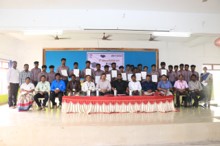
CLUB ACTIVITIES – AUTOMOBILE CLUB & NSS EXTENSION
Objective
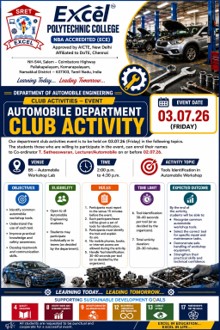
To develop hands-on technical skills, tool identification competency, and student leadership through club-based learning and NSS extension forums.
Brief Introduction
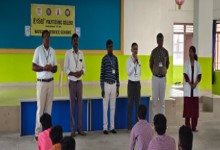
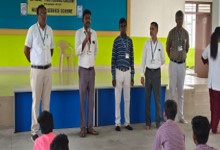
Club activities during the academic year included Automobile Club practical sessions on tools identification and NSS stage programmes that nurtured communication, teamwork, and social engagement among students.
Detailed Report
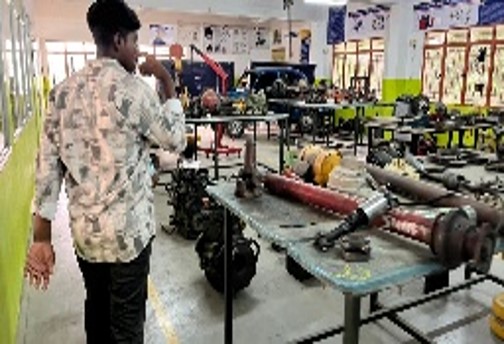
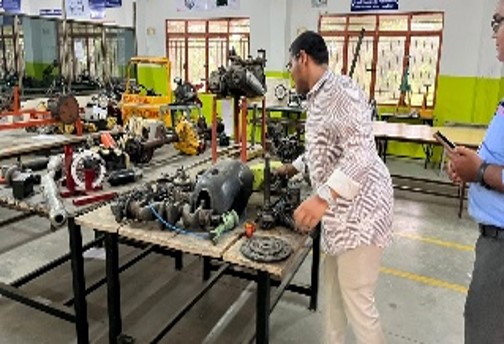
In the Automobile Club activity, students worked in the workshop environment to identify tools, inspect engine components, and practice foundational workshop discipline. Faculty mentors guided learners on correct handling, safety, and industrial relevance of each tool category. Parallelly, NSS club forums conducted stage-based student engagement programmes that provided platforms for public speaking and peer learning. These club ecosystems complement formal classroom instruction and are vital for holistic outcome attainment. Documentation through photographs supports continuous improvement evidence and student activity portfolios required for accreditation and website updates.
“Club workshop practice gave me confidence to handle tools that I had only seen in textbooks earlier.”
Student Participation Details
Automobile Club members and NSS volunteers participated enthusiastically. Students practiced tool identification, engaged in workshop observation, and took part in NSS stage activities, thereby improving both technical and soft skills.
Outcomes / Benefits
- Enhanced workshop readiness and tool literacy among students.
- Improved student leadership through club and NSS platforms.
- Stronger practice-based learning culture in the department.
- Useful records for extracurricular/co-curricular NBA evidence.
Coordinator Details
Automobile Club Faculty Coordinator; NSS Programme Officer: Er. T. Satheeswaran.
Chief Guest / Resource Person: Faculty Mentors – Automobile Engineering & NSS Unit
INDUCTION PROGRAMME 1 – INTRODUCTION TO STARTUP AND ENTREPRENEURSHIP
Objective
To introduce first-year students to the fundamentals of startups and entrepreneurship; to create awareness about innovation, business opportunities, and the entrepreneurial ecosystem; and to motivate students to develop an entrepreneurial mindset.
Brief Introduction
As part of the First-Year Induction Programme for Academic Year 2026–27, a dedicated session on Introduction to Startup and Entrepreneurship was conducted to inspire newly admitted students toward innovation-driven careers.
Detailed Report
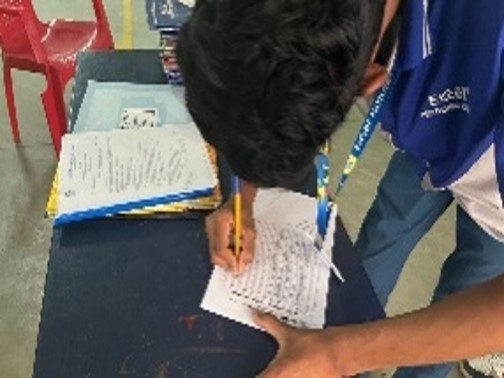
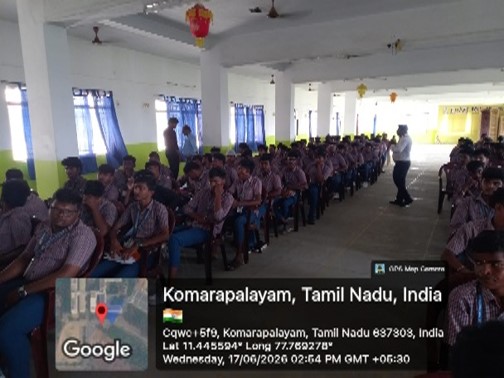
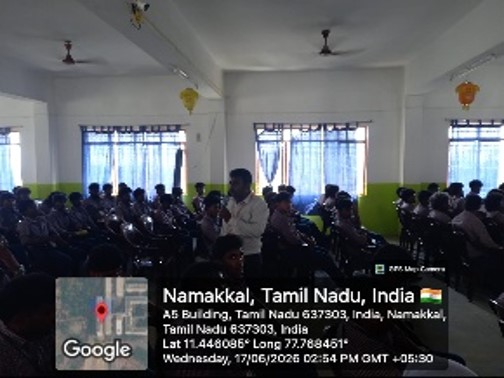
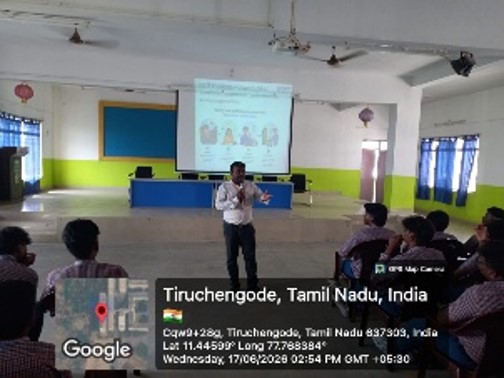
The session was handled by Dr. C. Mohan Raj, Incubation Associate Manager, Excel TBI, Excel Engineering College. Key topics included basics of entrepreneurship and startup culture, identification of business opportunities, problem-solving through innovation, and stages of developing a startup from idea to commercialization. Students were introduced to incubation support, funding avenues, and government schemes relevant to young innovators. The interactive pedagogy encouraged questions and reflective thinking. Faculty coordinator S. Satheeshkumar, HoD/EEE, ensured smooth conduct, attendance, and geo-tagged photographic documentation. The programme mapped effectively to relevant POs associated with modern tool usage, communication, project management, and lifelong learning.
“I never thought diploma students could also build startups. This session changed my perspective.”
Student Participation Details
More than 250 students actively participated in the programme. The session provided valuable insights and enhanced students’ awareness of entrepreneurship, innovation culture, and incubation support. Participants interacted with the resource person and clarified doubts through an engaging discussion session.
Outcomes / Benefits
- Clear understanding of startups and entrepreneurship concepts.
- Awareness of incubation centres, funding, and government support.
- Motivation to pursue innovative ideas early in the academic journey.
- Induction evidence aligned with institutional quality processes.
Coordinator Details
- Satheeshkumar, HOD / EEE
Chief Guest / Resource Person: Dr. C. Mohan Raj, Incubation Associate Manager, Excel TBI, Excel Engineering College
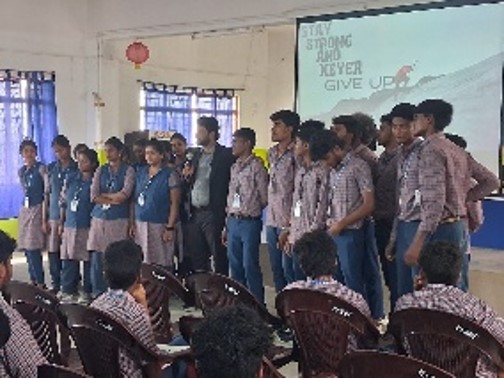
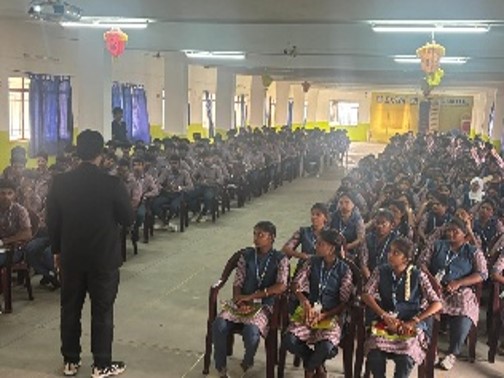
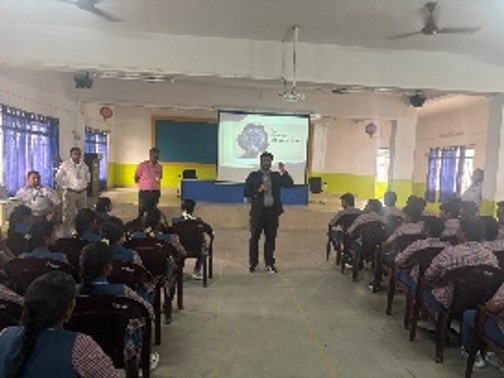
INDUCTION PROGRAMME 2 – POSITIVE THINKING & GOAL SETTING
Objective
To introduce first-year students to the importance of positive thinking; to help them set realistic goals using SMART principles; and to build self-confidence and a growth mindset.
Brief Introduction
The second induction session focused on Positive Thinking and Goal Setting to equip first-year learners with essential life skills for academic success and personal growth.
Detailed Report
Soft skills trainer Dr. Naveen engaged students on self-belief, SMART goal setting, time management, and strategies to overcome negative thoughts and stress. Real-life examples and motivational dialogue created an energetic learning climate. Students reflected on short-term academic goals and long-term career aspirations. The session emphasized discipline, perseverance, and positivity as foundations for polytechnic education. Coordinator S. Satheeshkumar, HoD/EEE, supervised arrangements and documentation. Outcomes indicated improved confidence and clearer planning habits among participants, supporting institutional induction goals for holistic development.
“Setting SMART goals in the induction class helped me plan my first semester with confidence.”
Student Participation Details
More than 280 students actively participated in the programme. The session strengthened motivation, self-discipline, and goal clarity. Students interacted with the trainer and shared personal learning reflections during the discussion segment.
Outcomes / Benefits
- Understanding of positive attitude in academic and personal life.
- Ability to apply SMART goal-setting techniques.
- Improved confidence, motivation, and commitment toward future goals.
- Strong soft-skills foundation for first-year transition.
Coordinator Details
- Satheeshkumar, HOD / EEE
Chief Guest / Resource Person: Dr. Naveen, Soft Skill Trainer, Excel Group Institutions
INDUCTION PROGRAMME 3 – CURRENT INDUSTRY TRENDS & JOB OPPORTUNITIES
Objective
To create awareness of current industry trends and emerging technologies; to familiarize students with career opportunities and placement expectations; and to motivate early development of employability skills.
Brief Introduction
The third induction programme introduced first-year students to industry realities, placement processes, and the importance of continuous skill development from the beginning of their diploma journey.
Detailed Report
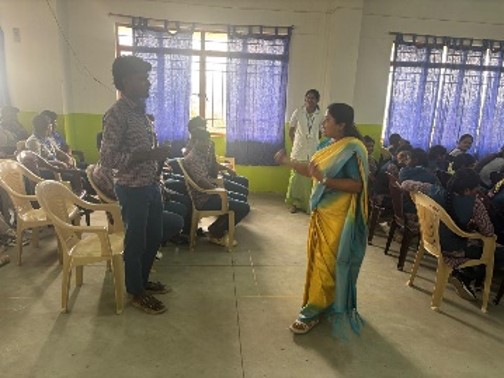
Placement Officer Ms. C. Nithya presented current industry trends, employer-expected skills, campus recruitment processes, interview readiness, and the role of internships and certifications. Students learned how communication, technical fundamentals, and problem-solving jointly influence employability. A lively Q&A enabled students to clarify doubts about placements and career planning. The session was coordinated by S. Satheeshkumar, HoD/EEE, with systematic photographic evidence. This induction module effectively oriented newcomers toward industry-conscious learning behaviour aligned with NBA graduate attributes.
“Knowing placement expectations in the first year itself will help me prepare step by step.”
Student Participation Details
More than 295 students actively participated in the programme. The session provided valuable insights into industry expectations and enhanced awareness of employability skills. Participants interacted with the Placement Officer and clarified doubts through an engaging discussion session.
Outcomes / Benefits
- Awareness of industry expectations and emerging career opportunities.
- Understanding of employability skills and professional communication.
- Motivation for internships, certifications, and placement preparation.
- Effective completion of first-year induction career-orientation module.
Coordinator Details
- Satheeshkumar, HOD / EEE
Chief Guest / Resource Person: Ms. C. Nithya, Placement Officer
INDUSTRIAL VISIT
Objective
To provide experiential learning through field exposure to industrial and technical museum environments, enabling students to connect theoretical concepts with real-world automotive and engineering applications.
Brief Introduction
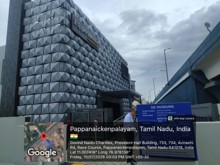
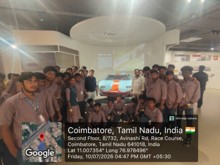
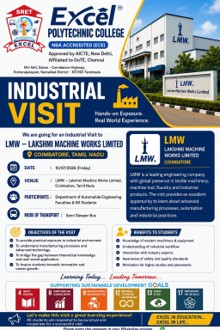
An industrial visit was arranged for Automobile Engineering students to Coimbatore-based industrial and knowledge centres, including exposure linked to LMW and visits to Experimento Science Centre / GD Museums. The visit aimed to broaden practical understanding of manufacturing, innovation, and automotive heritage.
Detailed Report
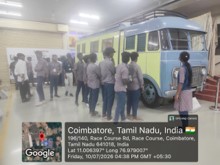
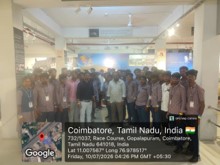
Students travelled in an organized group under faculty supervision and followed institutional safety and discipline guidelines. At the science and automotive museum venues, learners observed vintage and modern vehicles, engineering exhibits, and interactive displays that stimulated curiosity. Orientation sessions and guided observation helped students relate classroom topics such as vehicle systems, design evolution, and industrial processes to tangible examples. Faculty coordinators conducted briefings before and after the visit to consolidate learning points. Group photographs were taken at key locations for academic documentation. The visit significantly enriched experiential learning and supported outcome-based education through outside-classroom engagement.
“The museum vehicles and industrial exposure helped me visualize what we learn in automobile theory classes.”
Student Participation Details
A batch of Automobile Engineering students participated under faculty escort. Students maintained punctuality, safety compliance, and active observation throughout the visit, making the learning trip purposeful and well-disciplined.
Outcomes / Benefits
- Practical exposure to industrial and automotive heritage environments.
- Improved conceptual linkage between theory and real systems.
- Team discipline and professional behaviour during field learning.
- Complete photo documentation for departmental activity records.
Coordinator Details
Industrial Visit Coordinator / Faculty members, Department of Automobile Engineering.
Chief Guest / Resource Person: Host industry / museum facilitators at Coimbatore venues